



Full Sleeve Anarkali Suits for Women - Asrumo
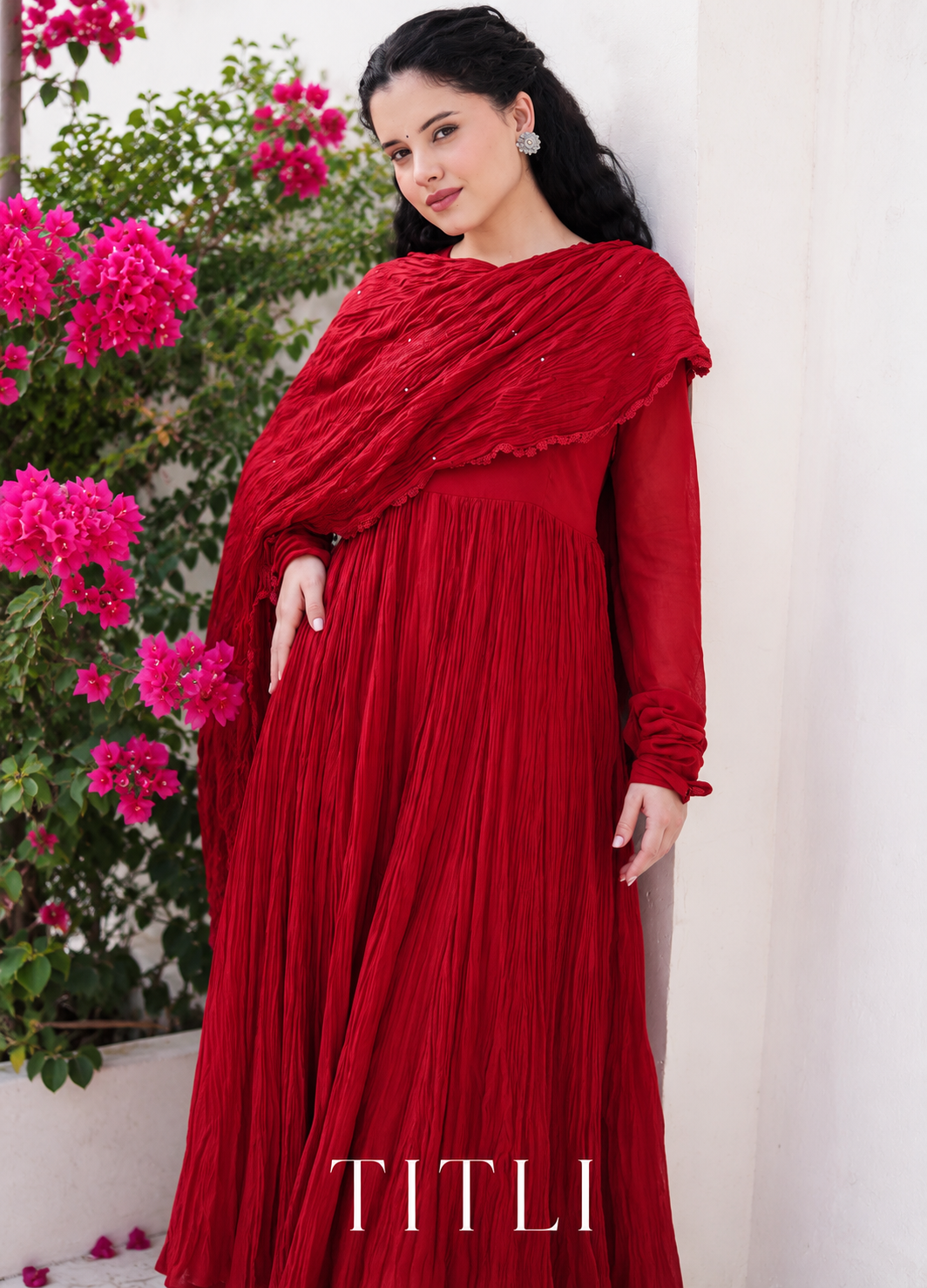
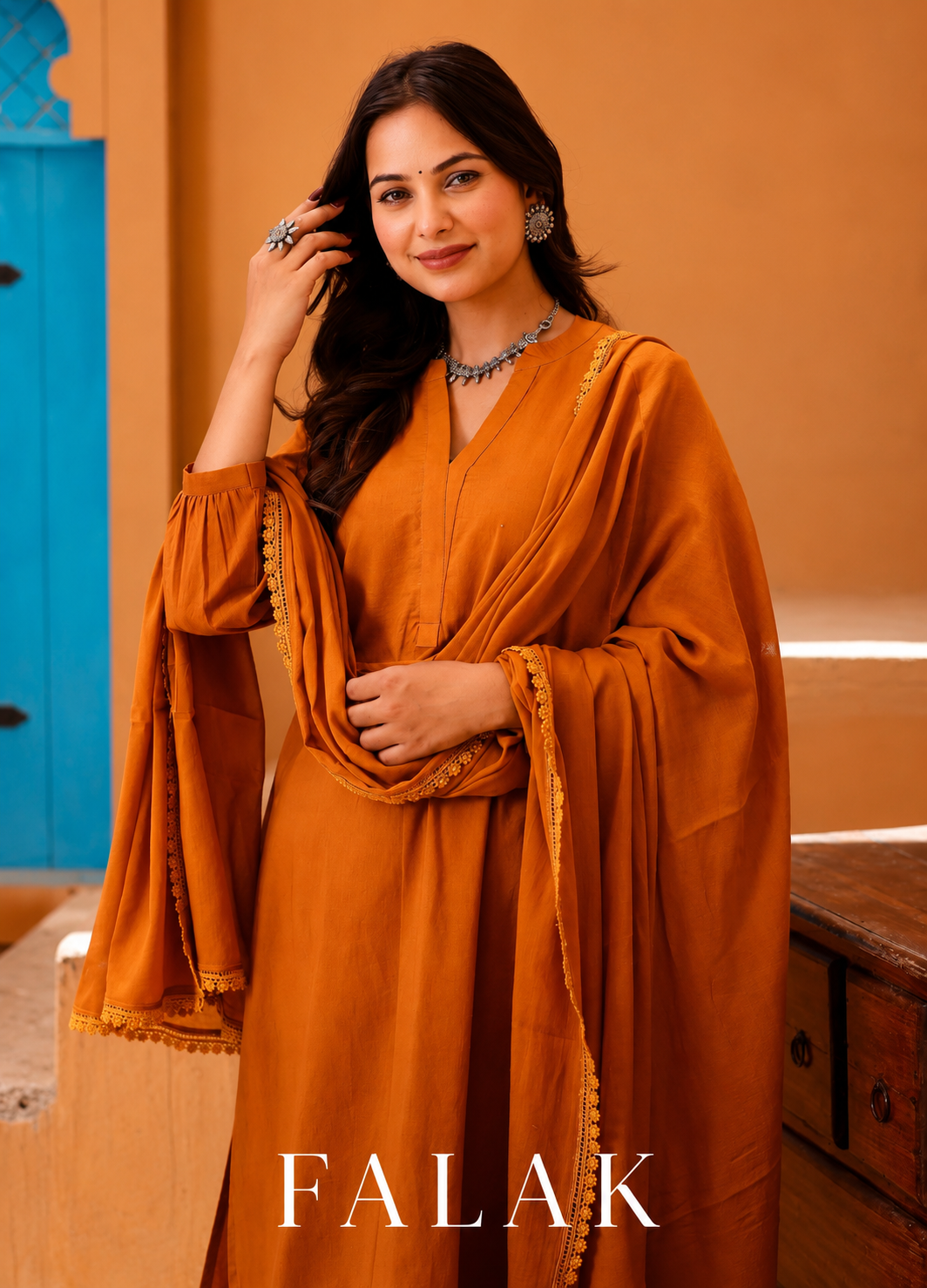
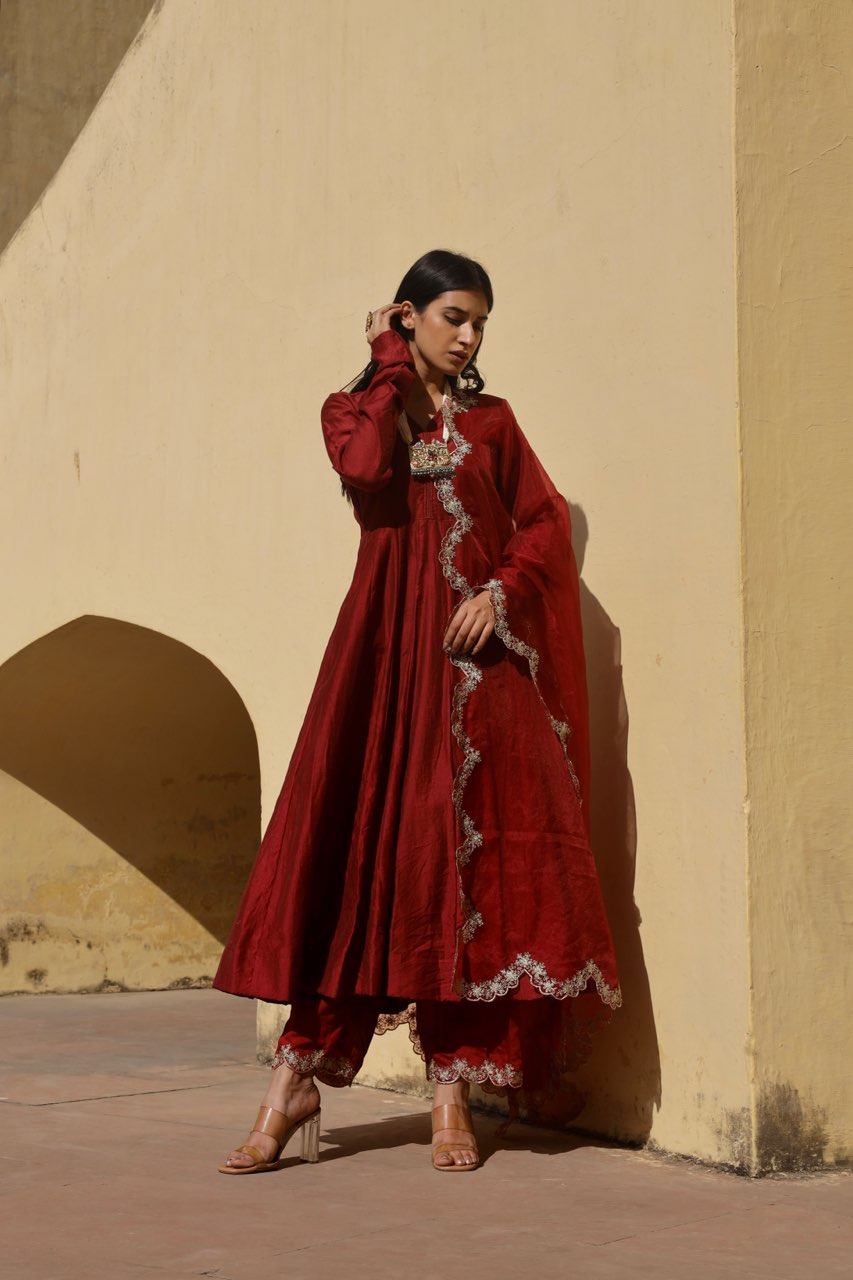
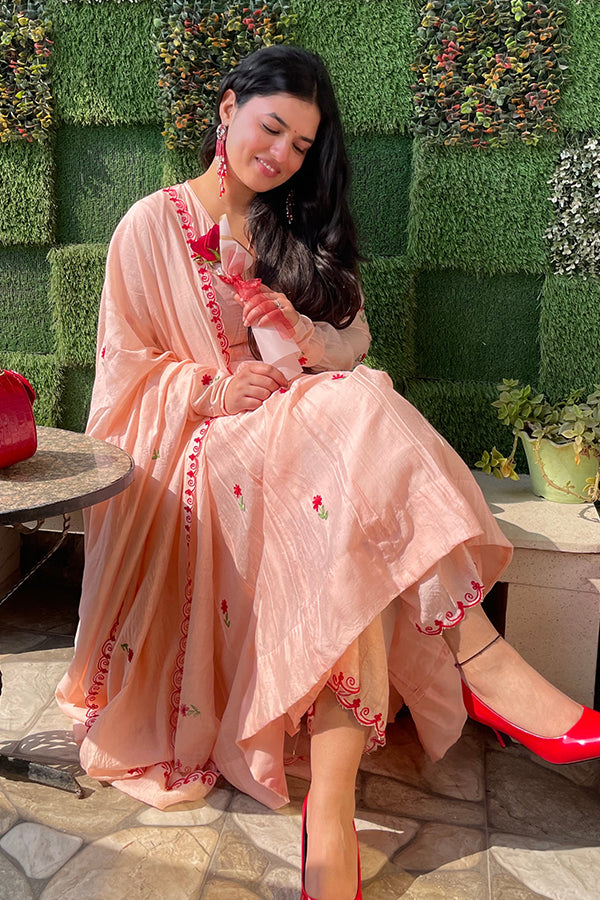
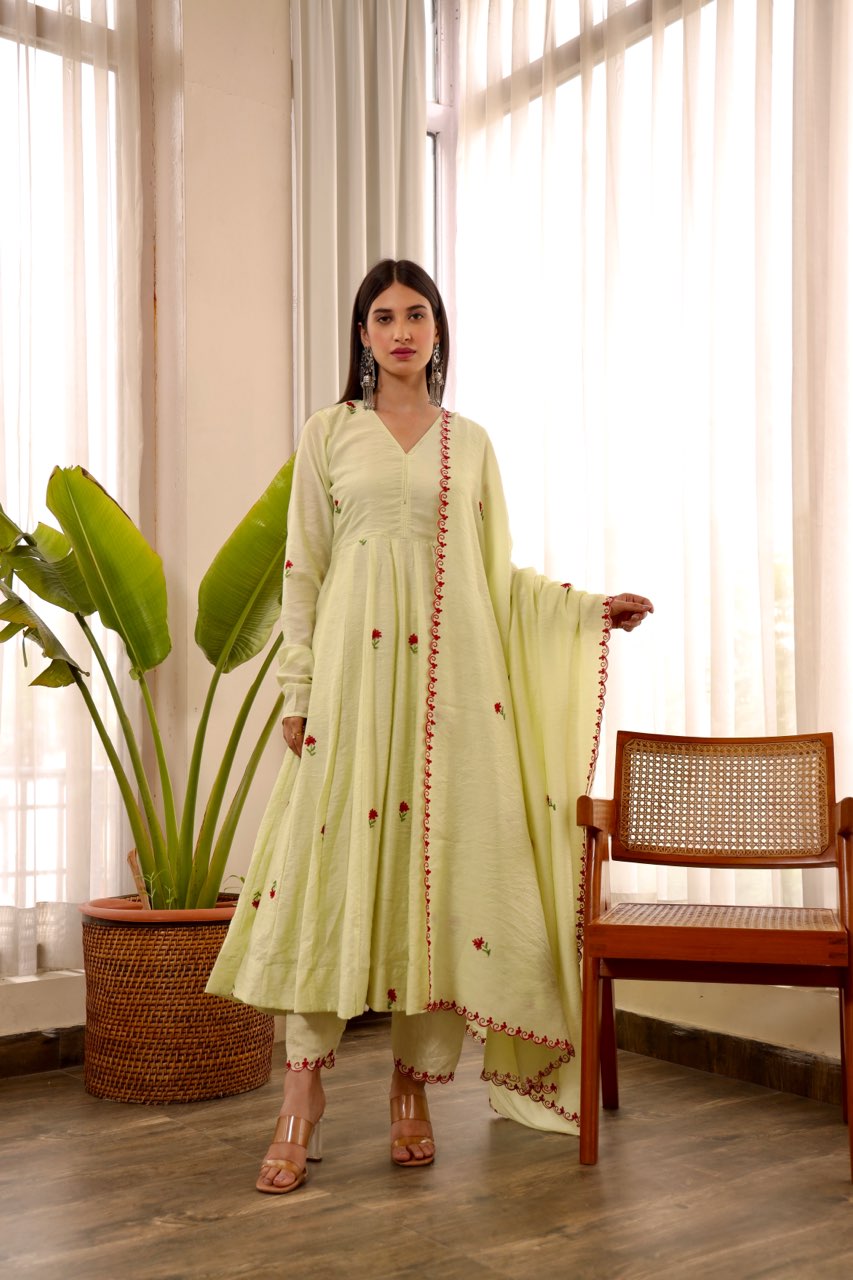
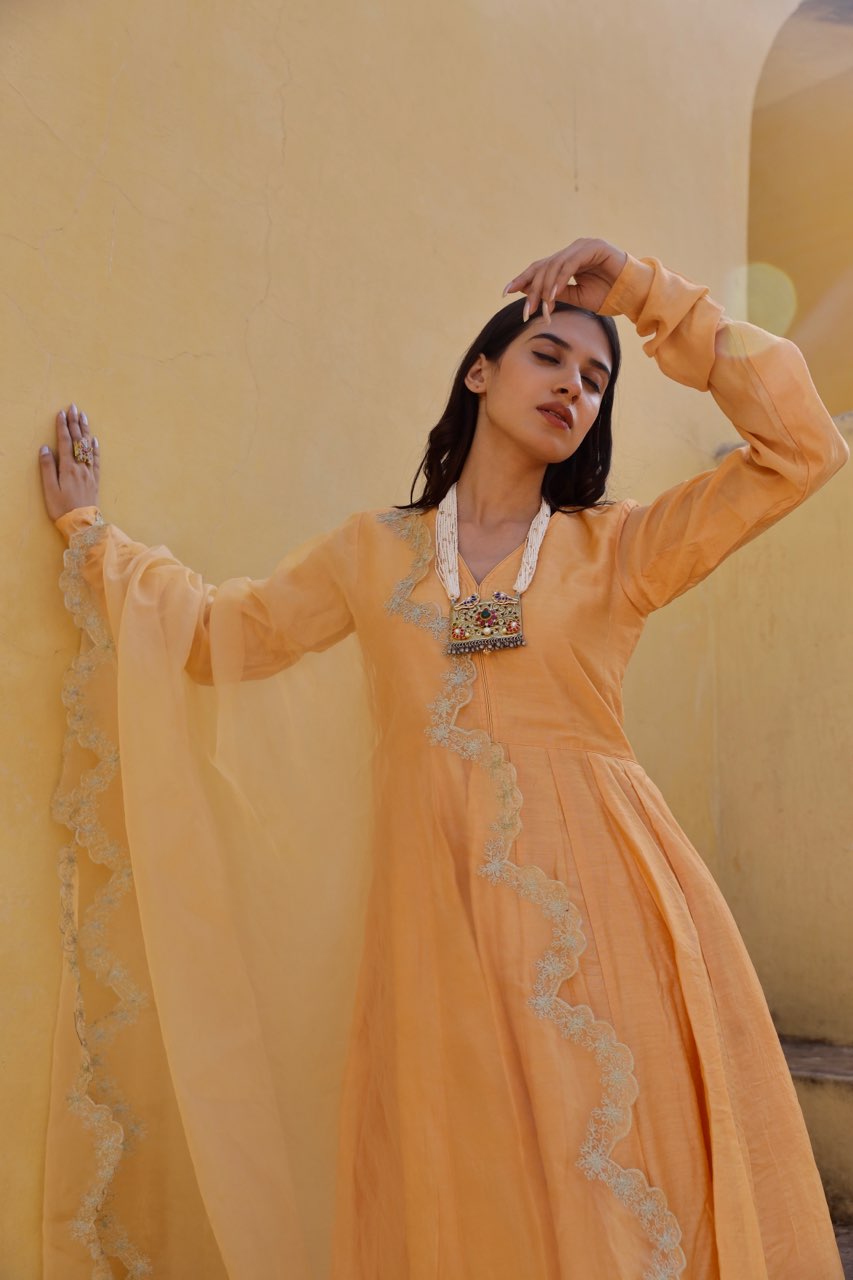
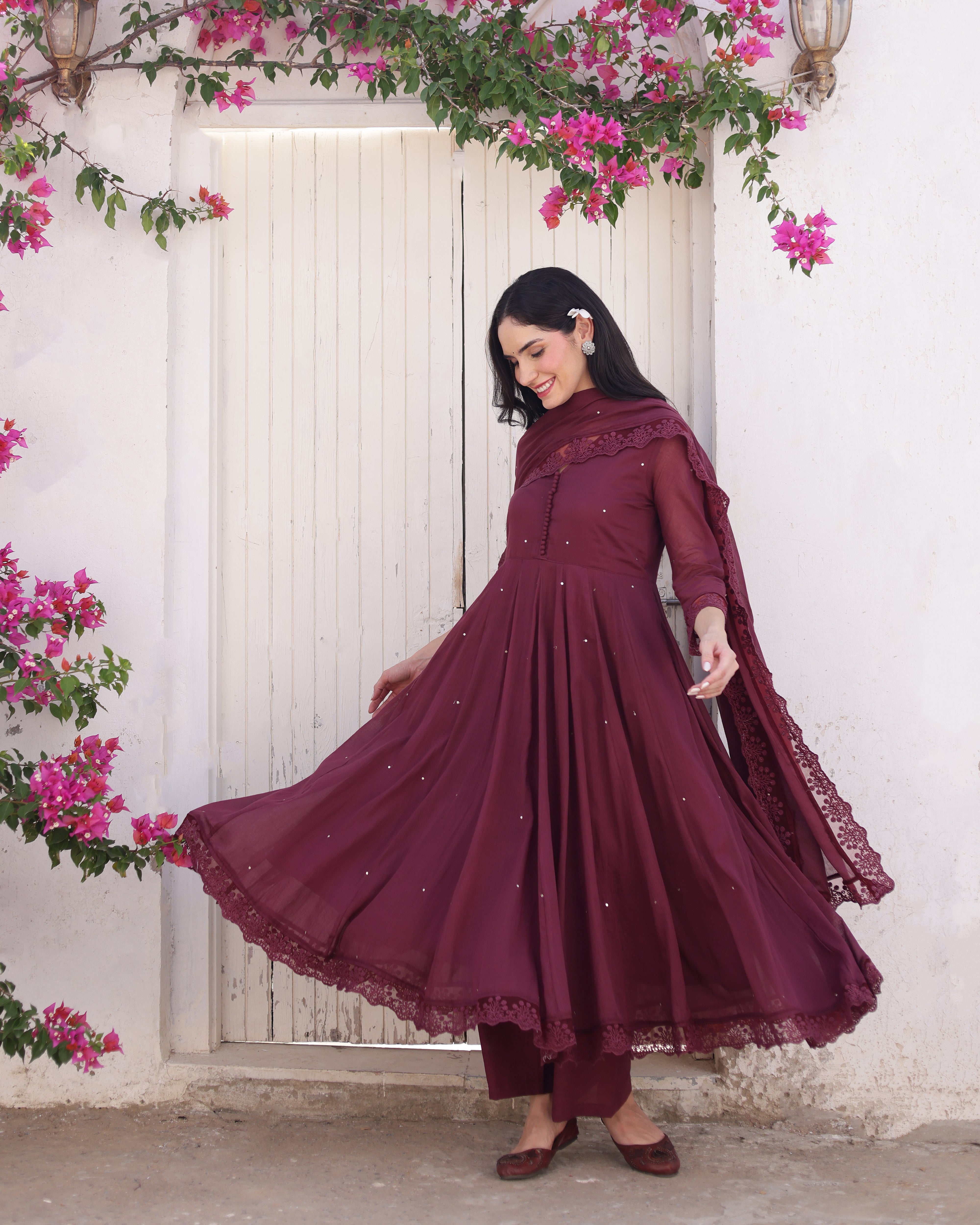
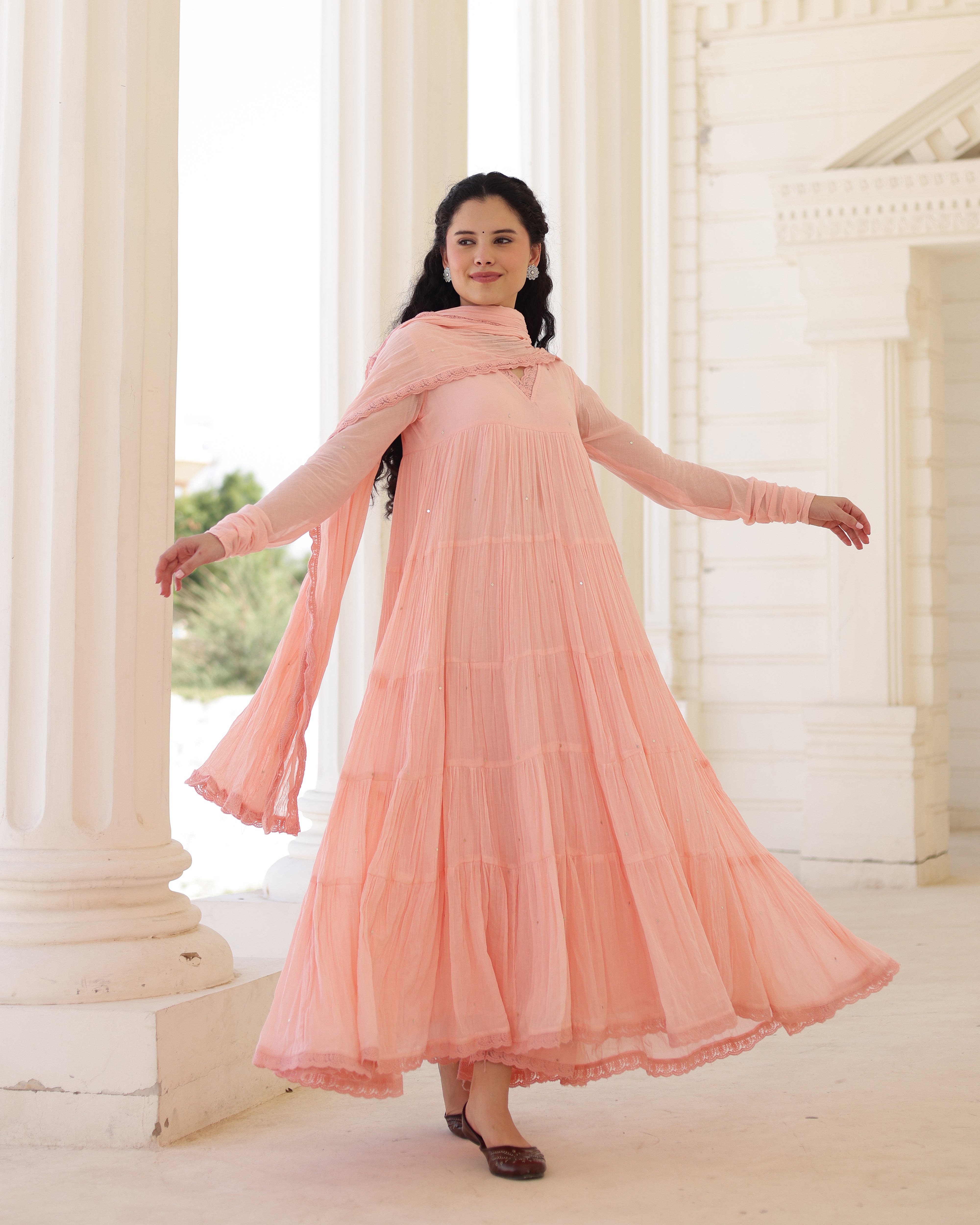
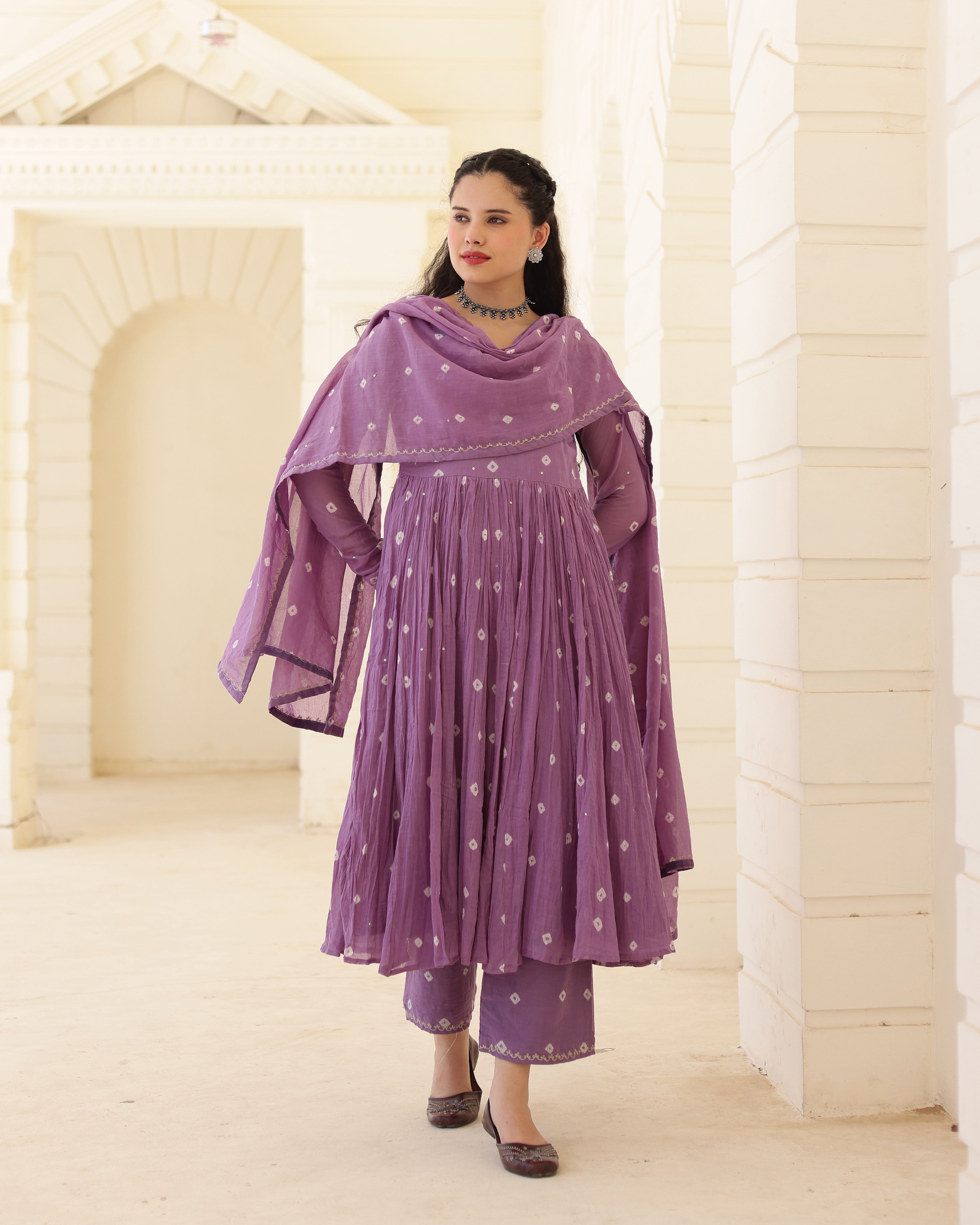
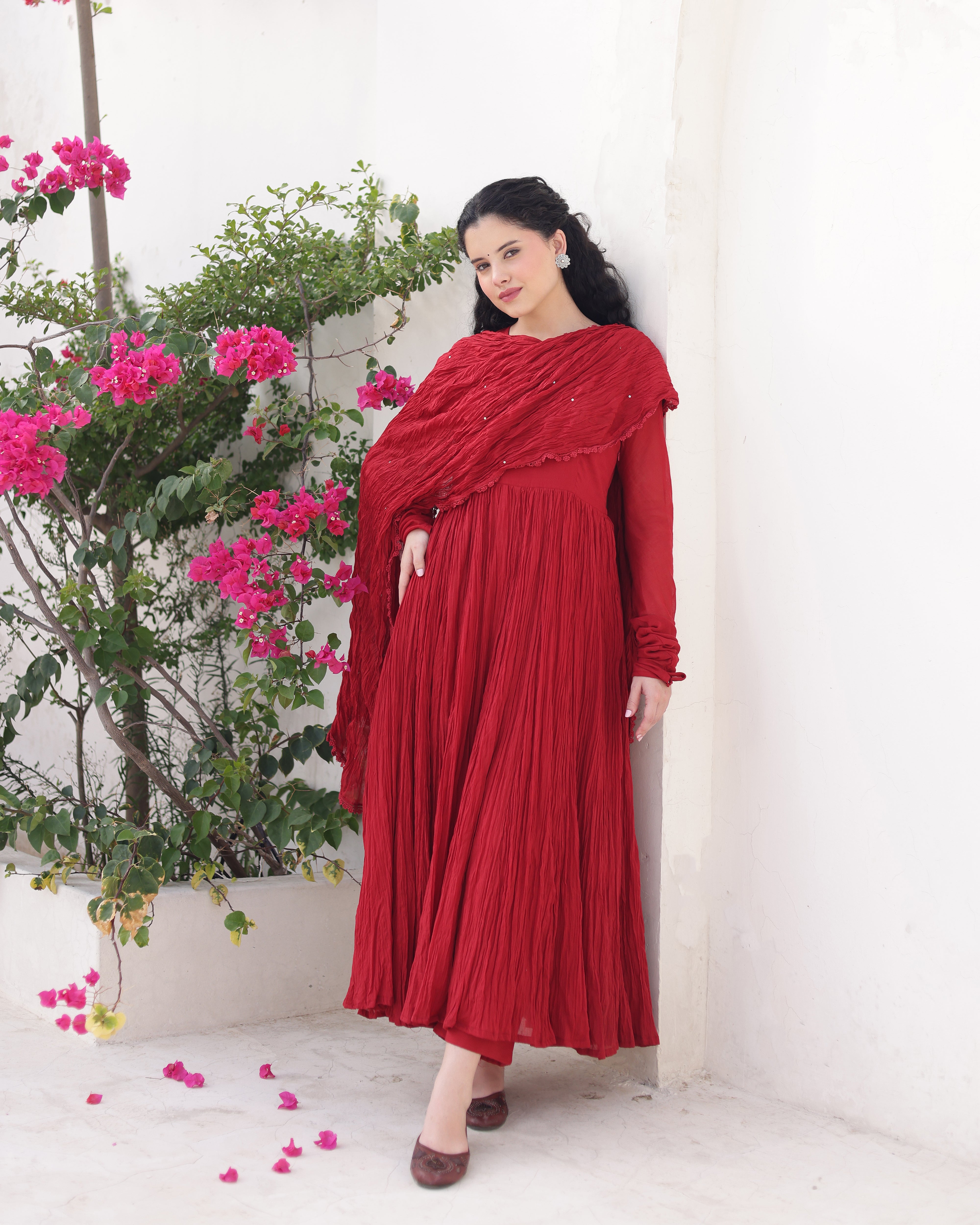
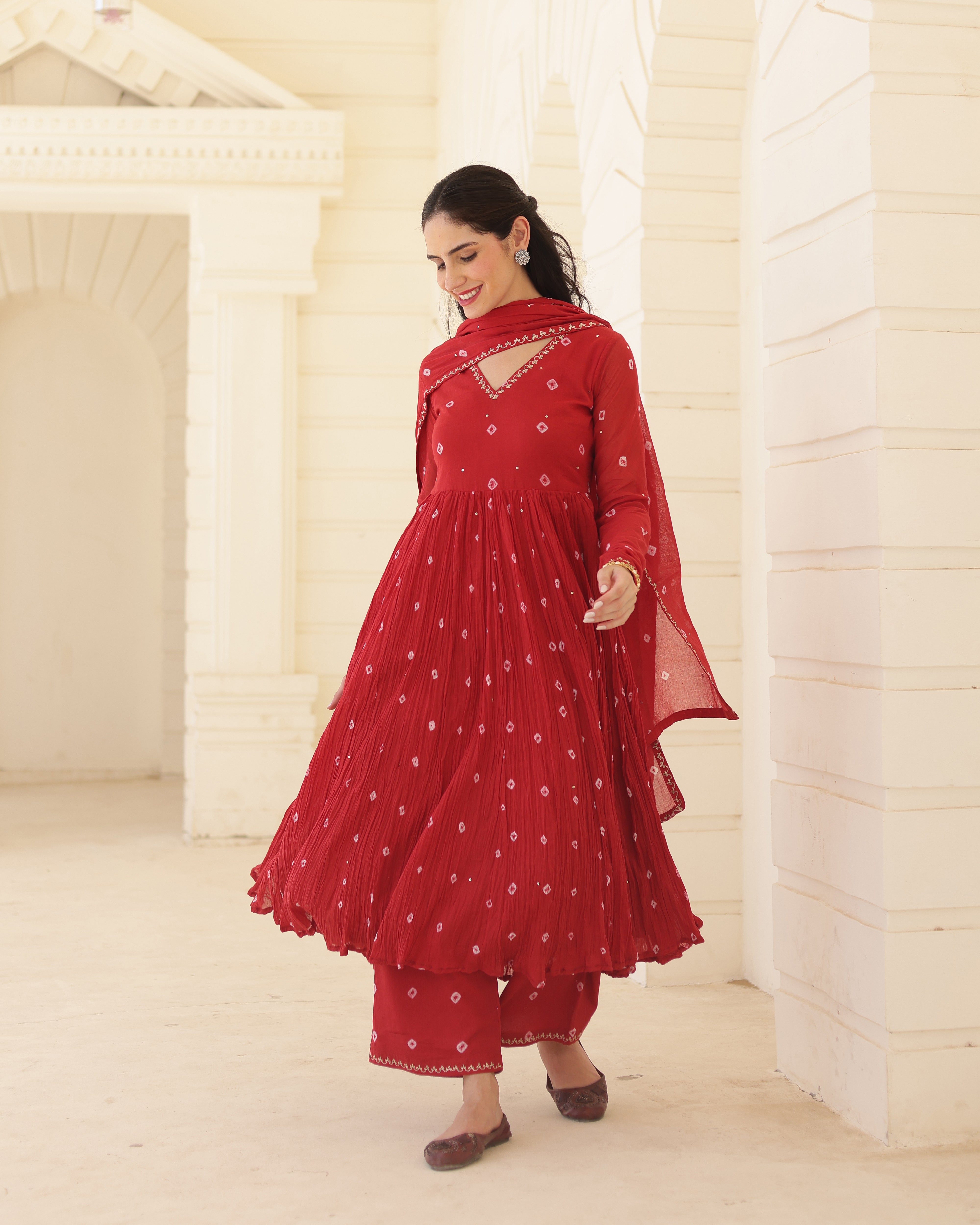
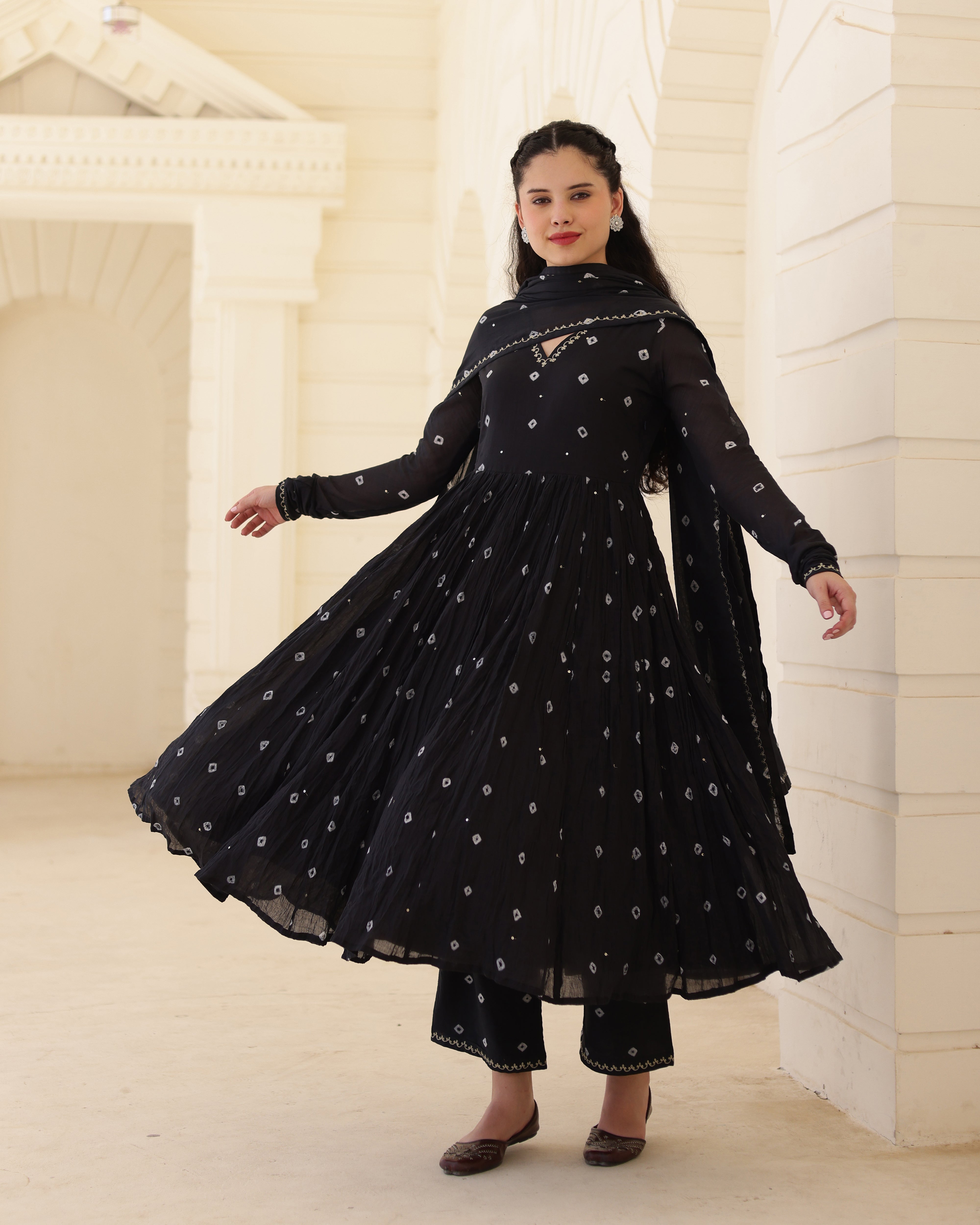
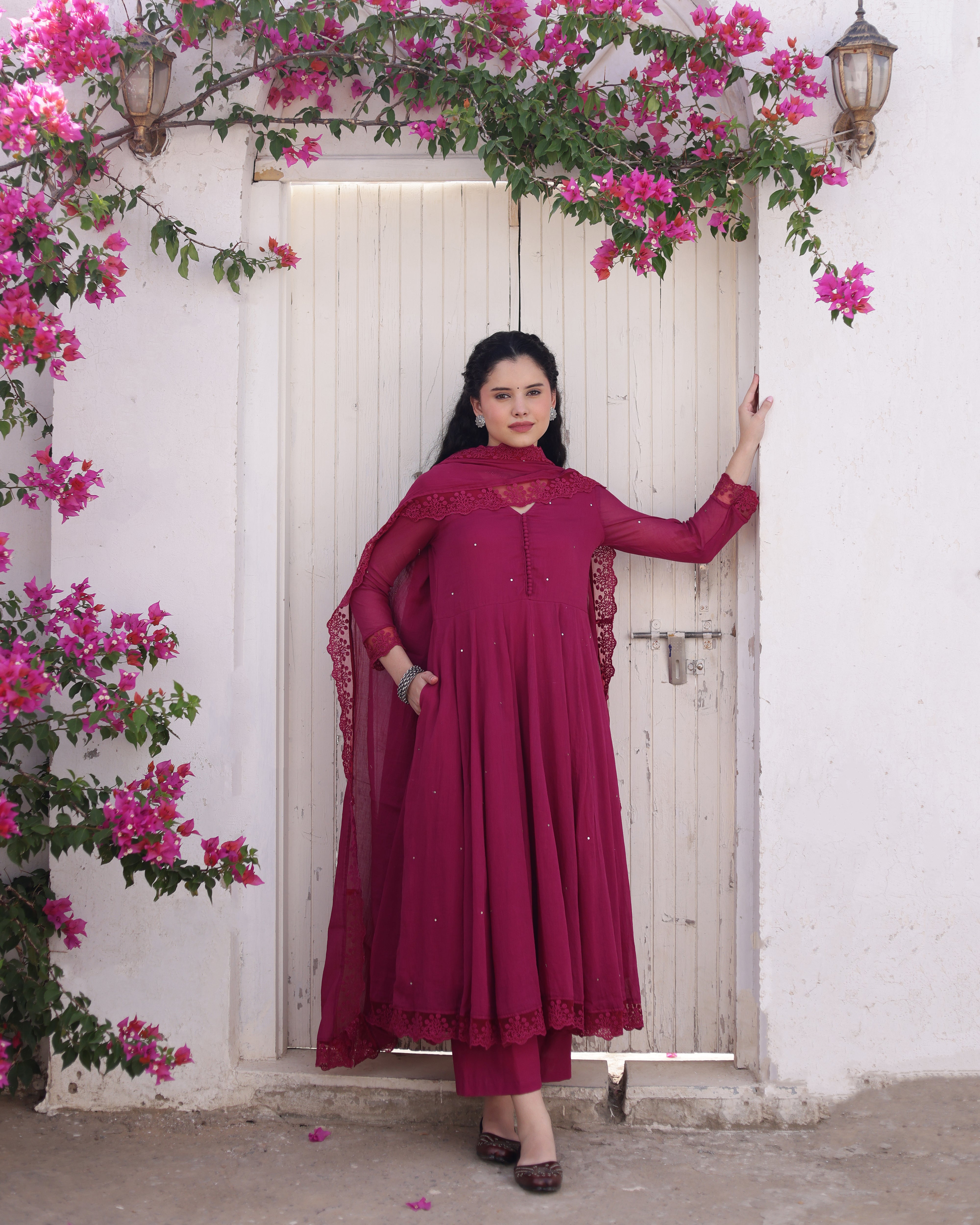
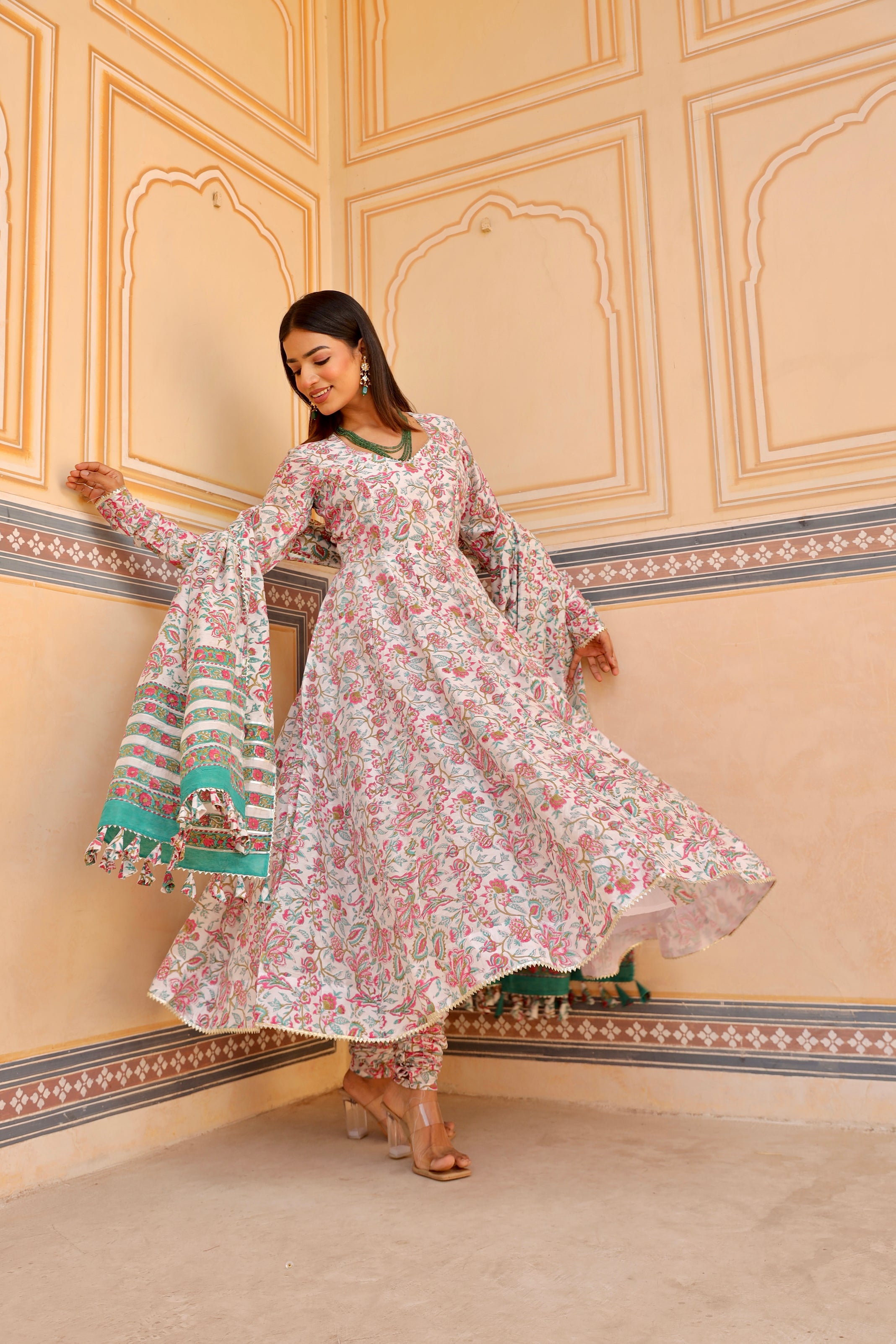
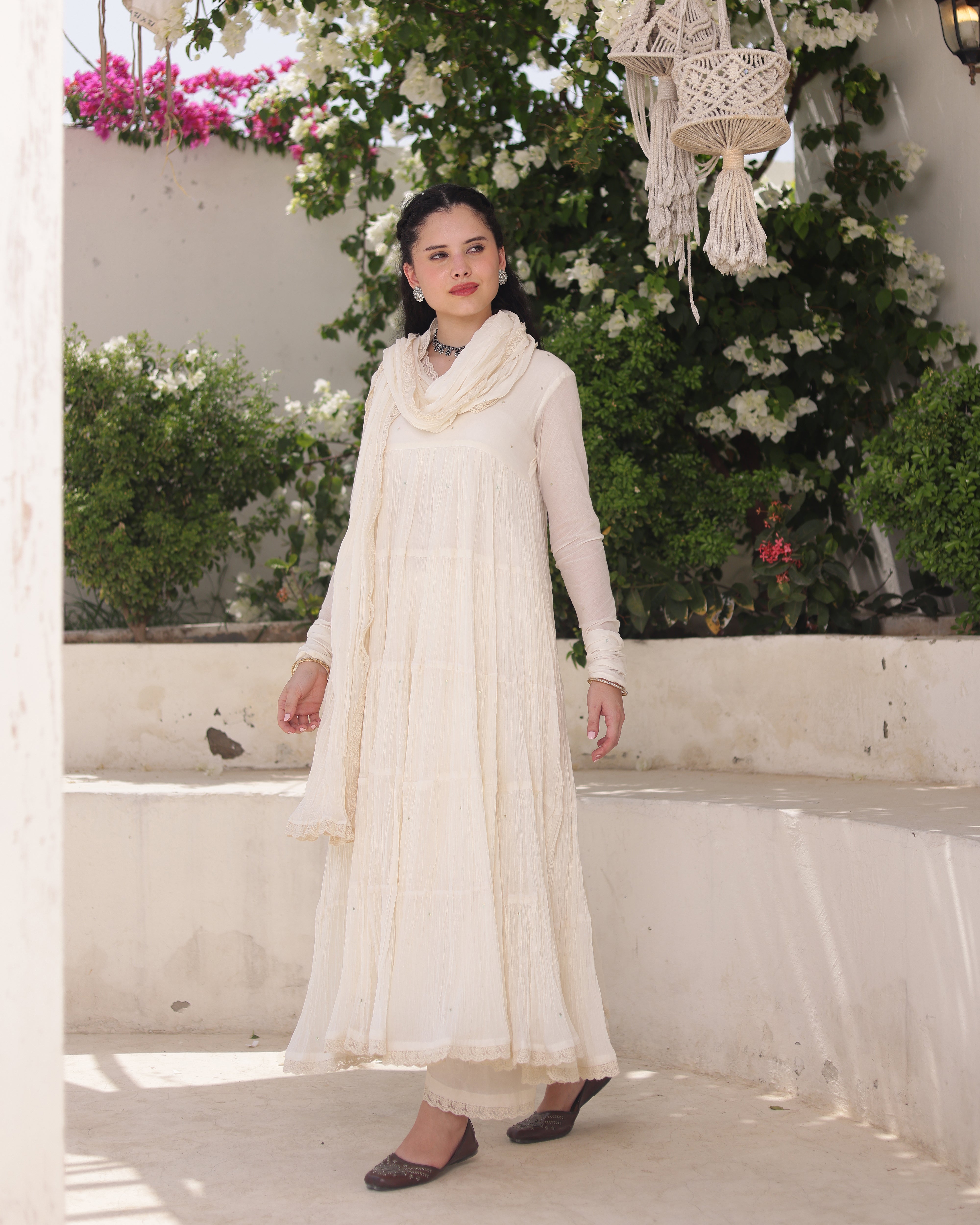
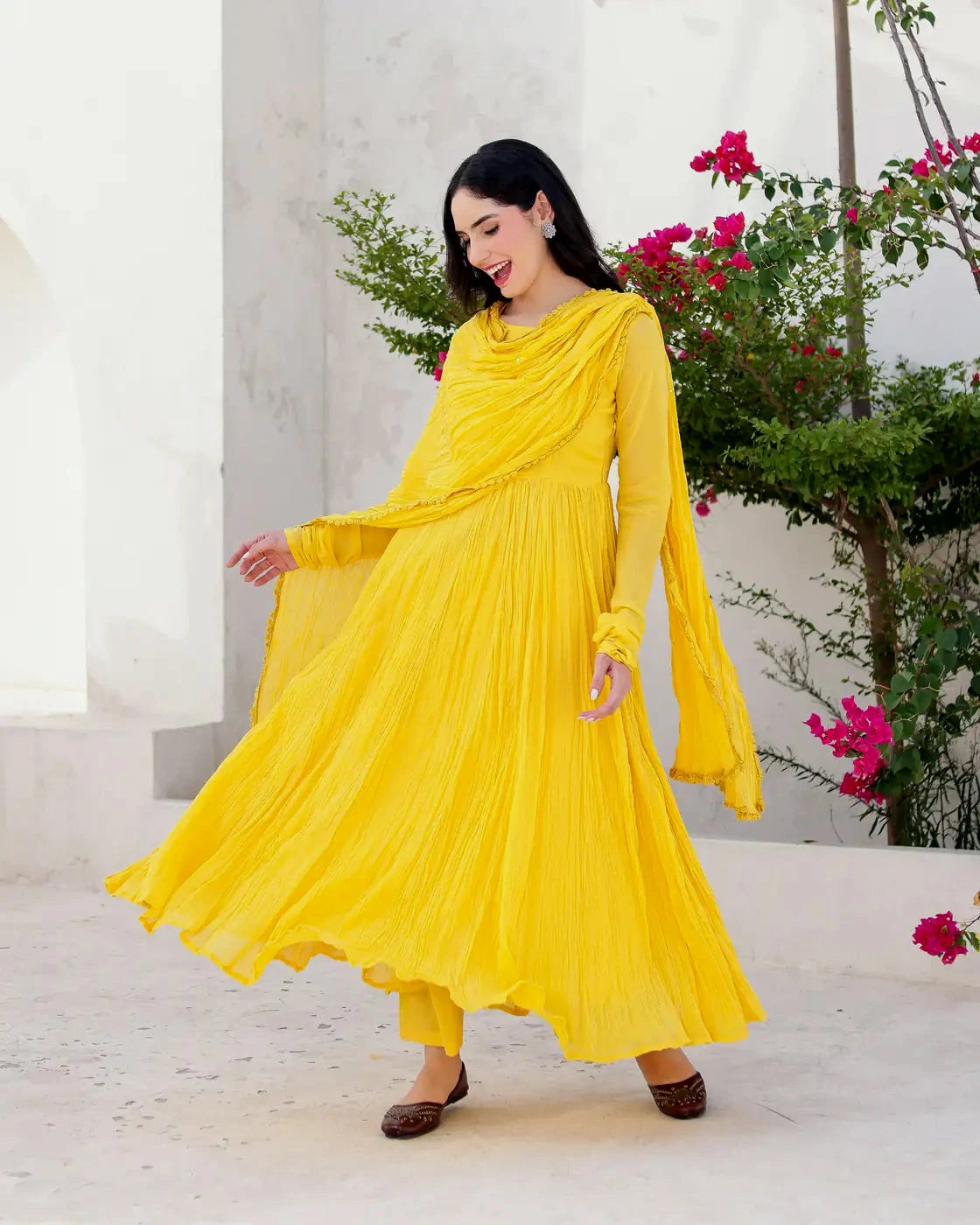
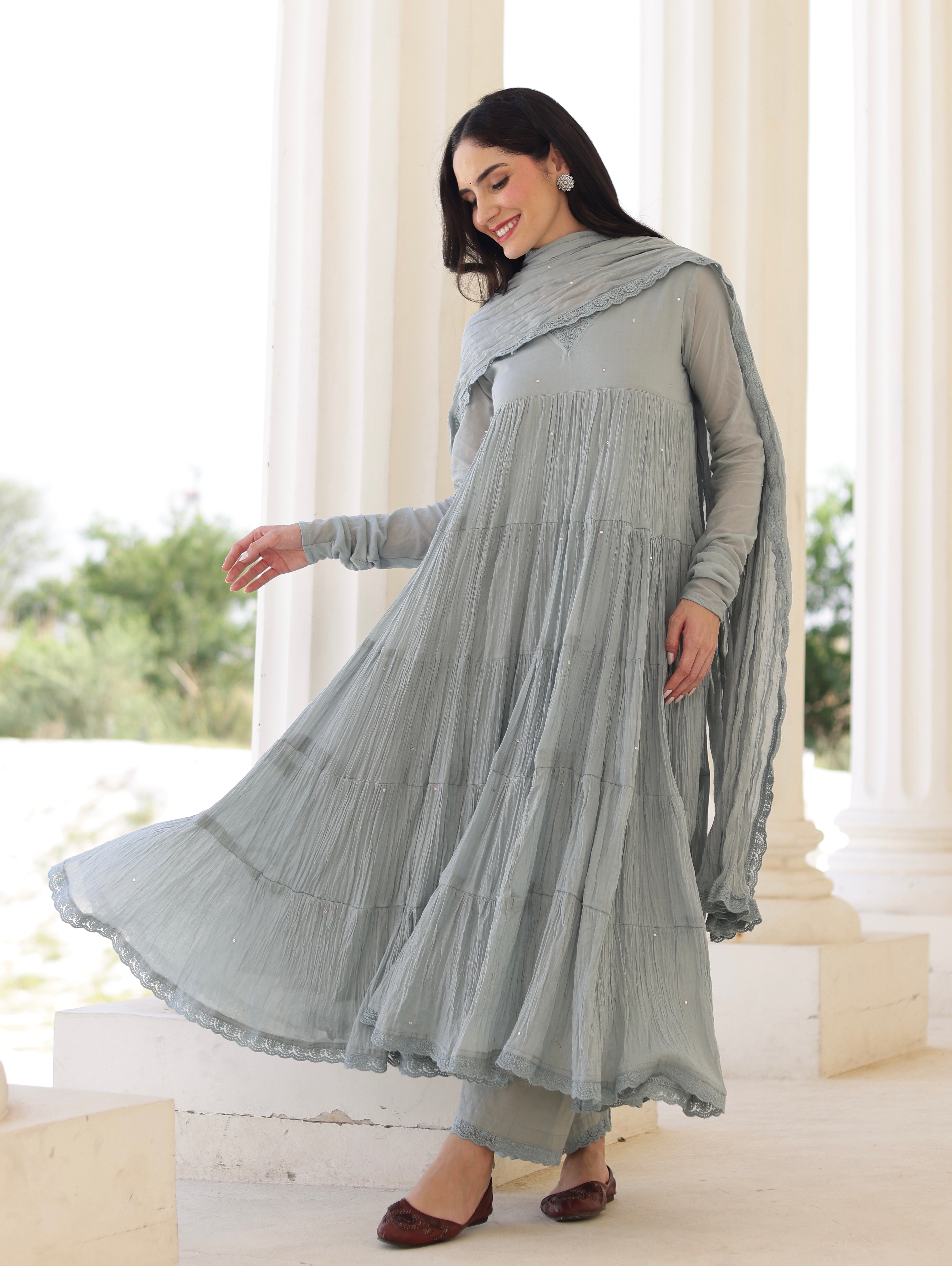
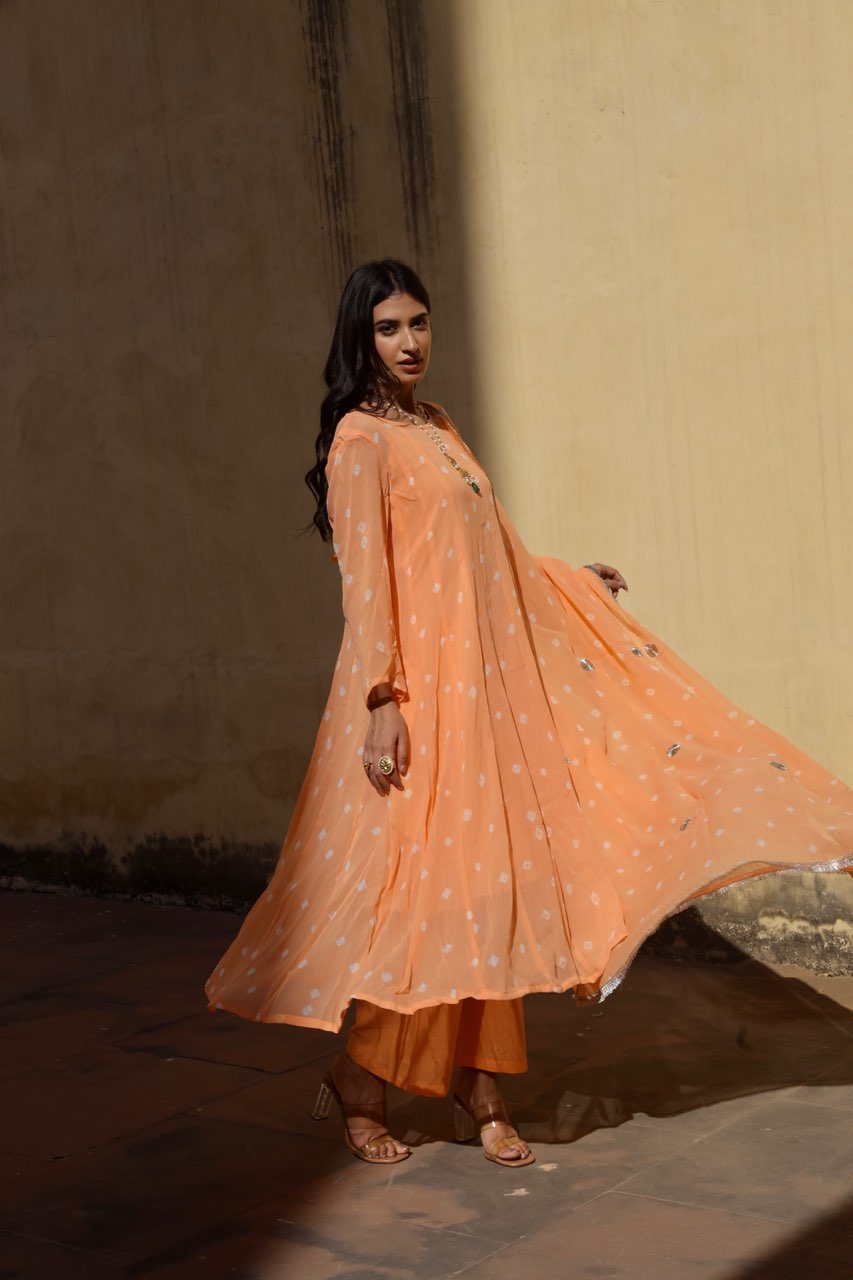
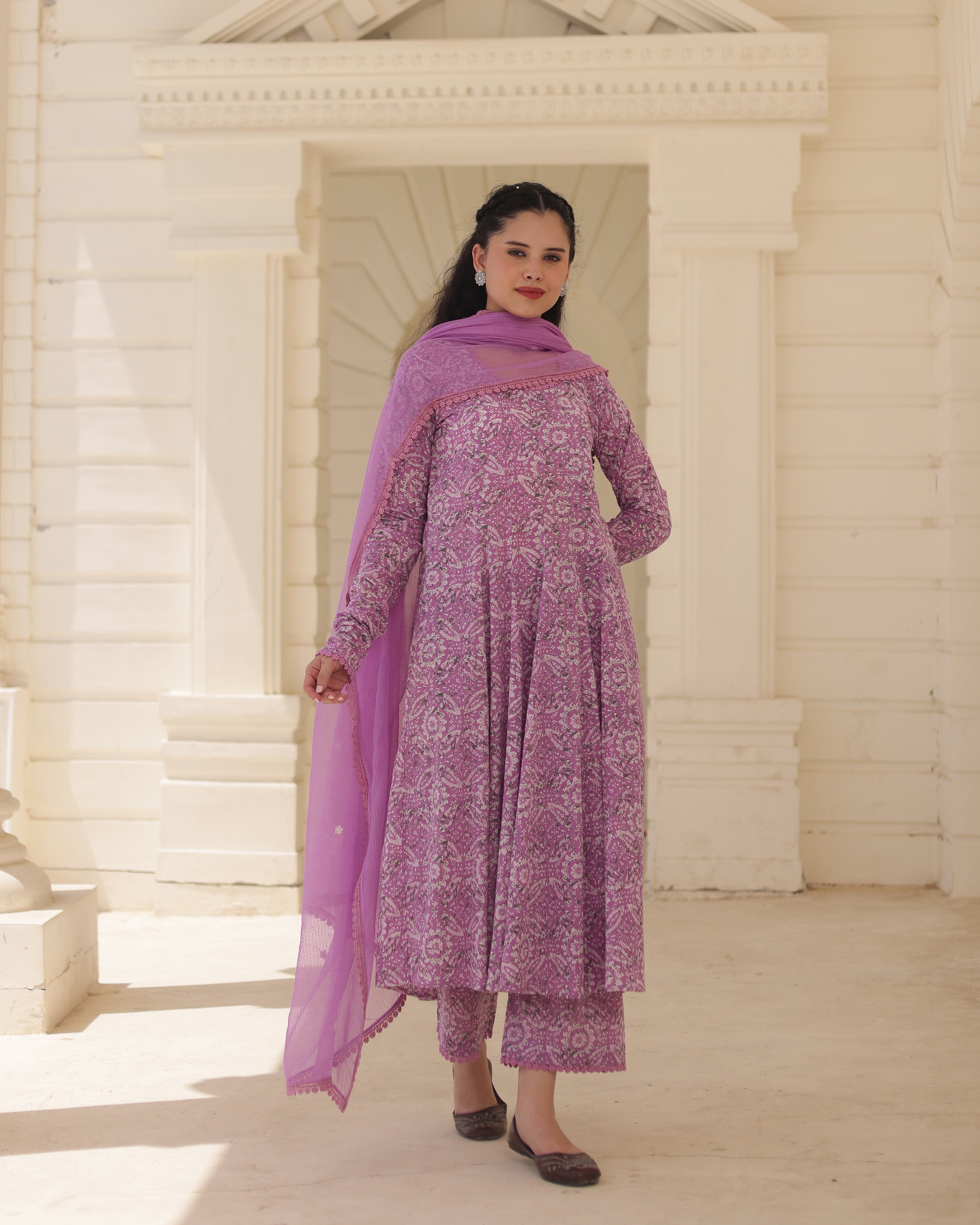
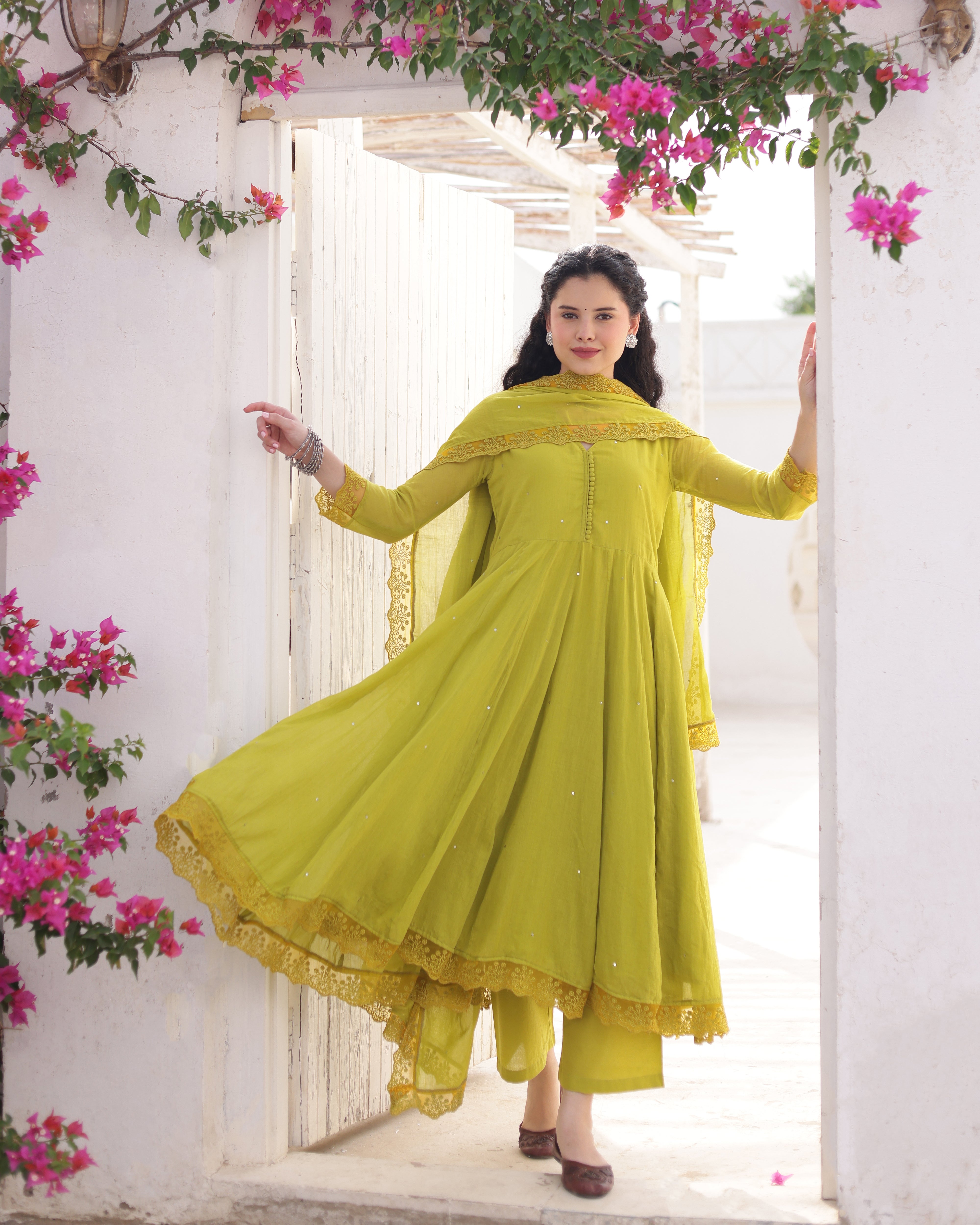
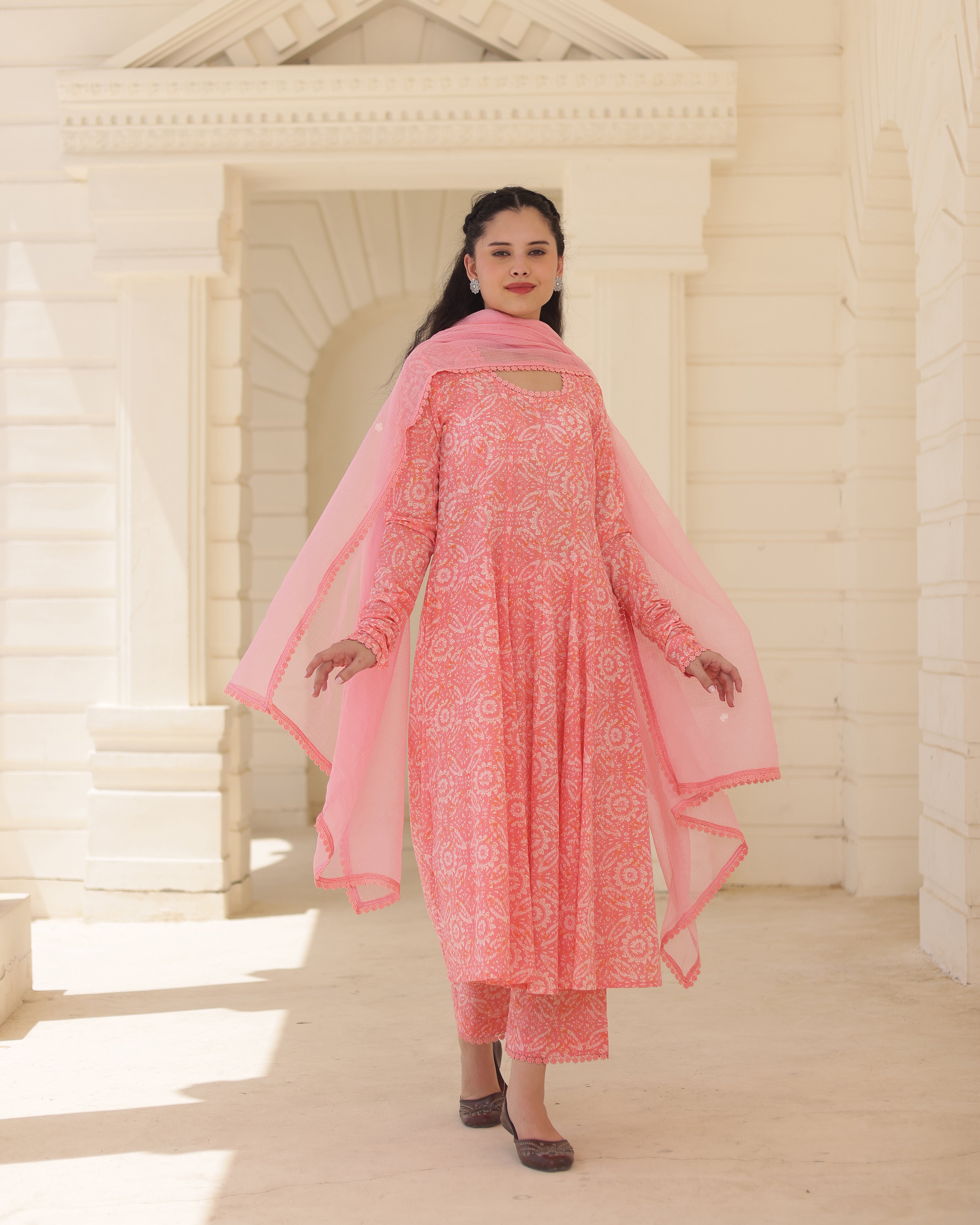
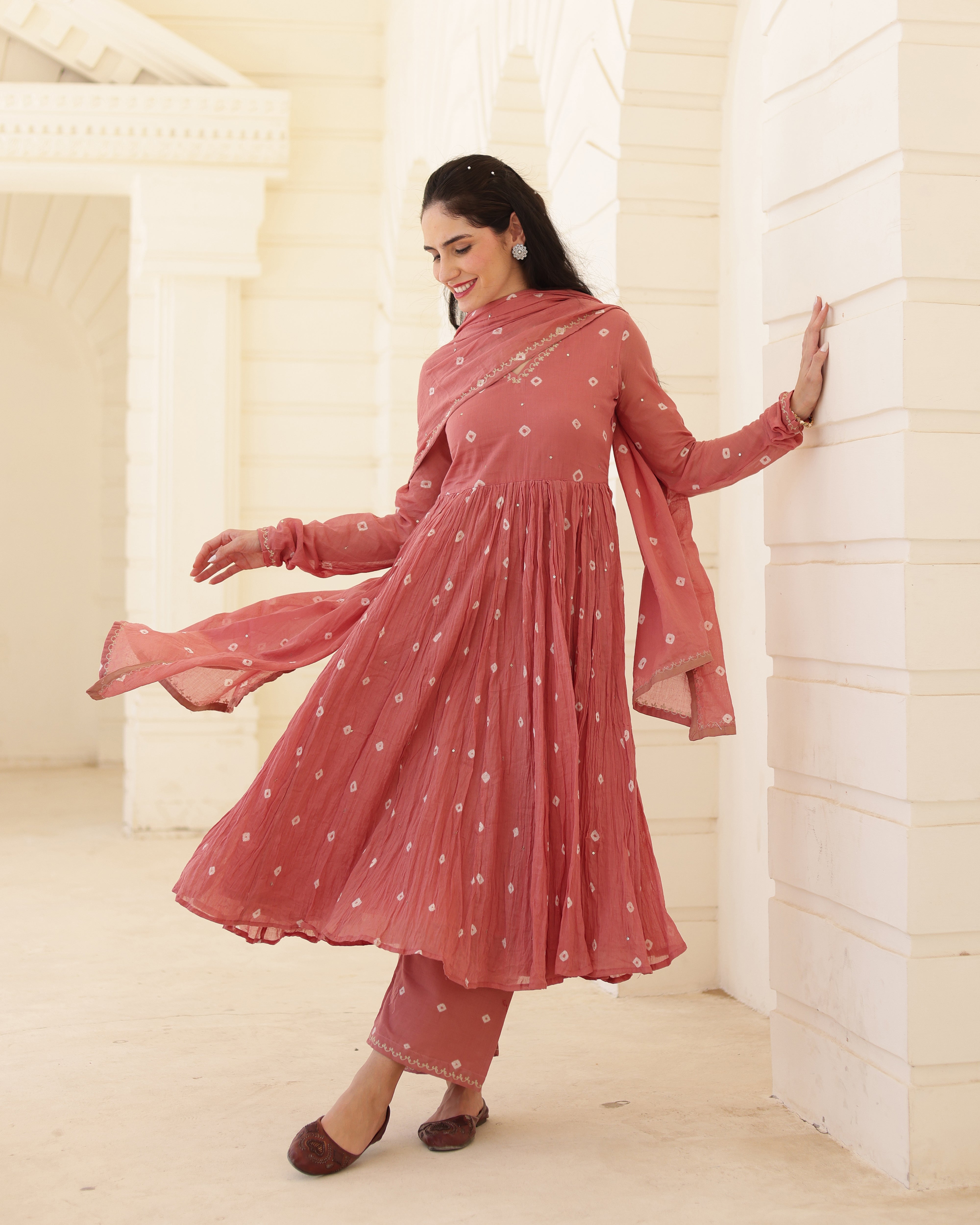
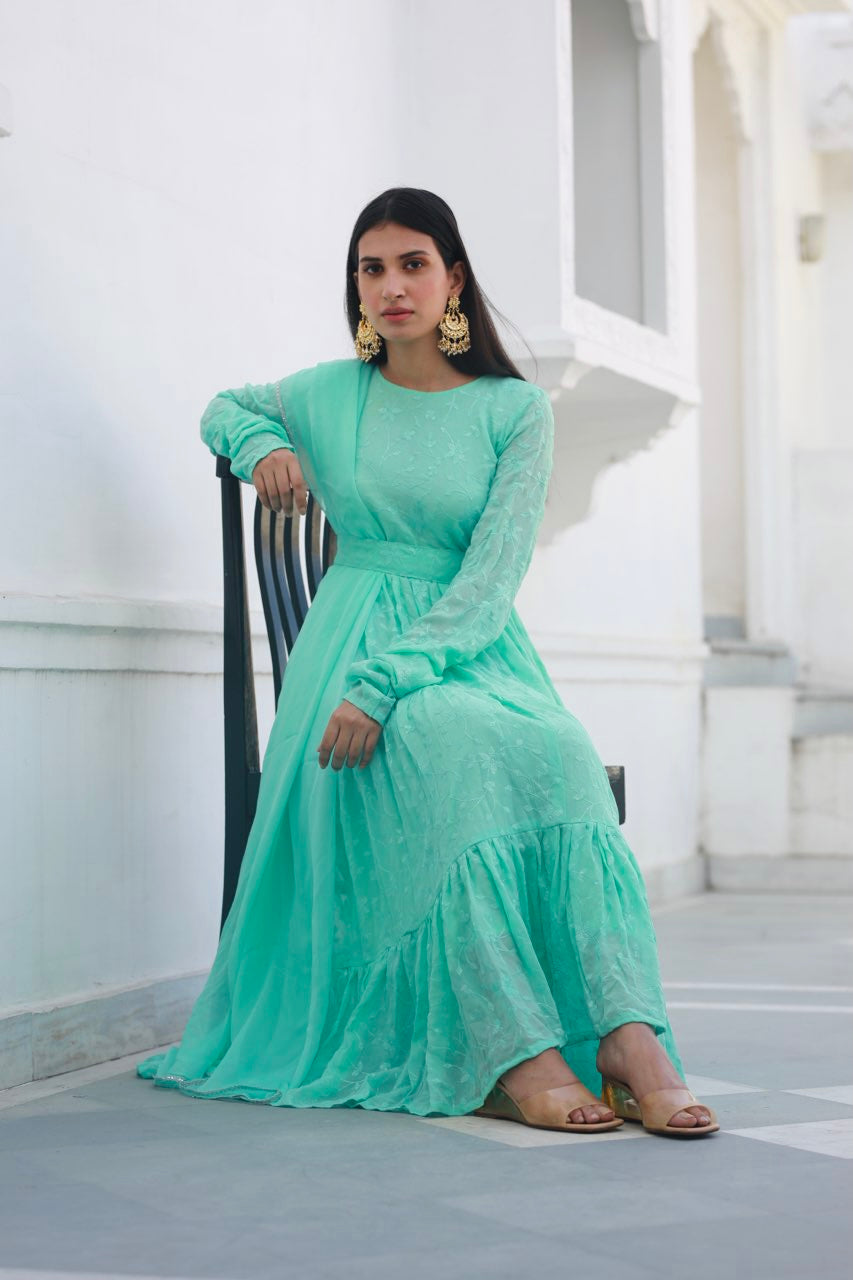
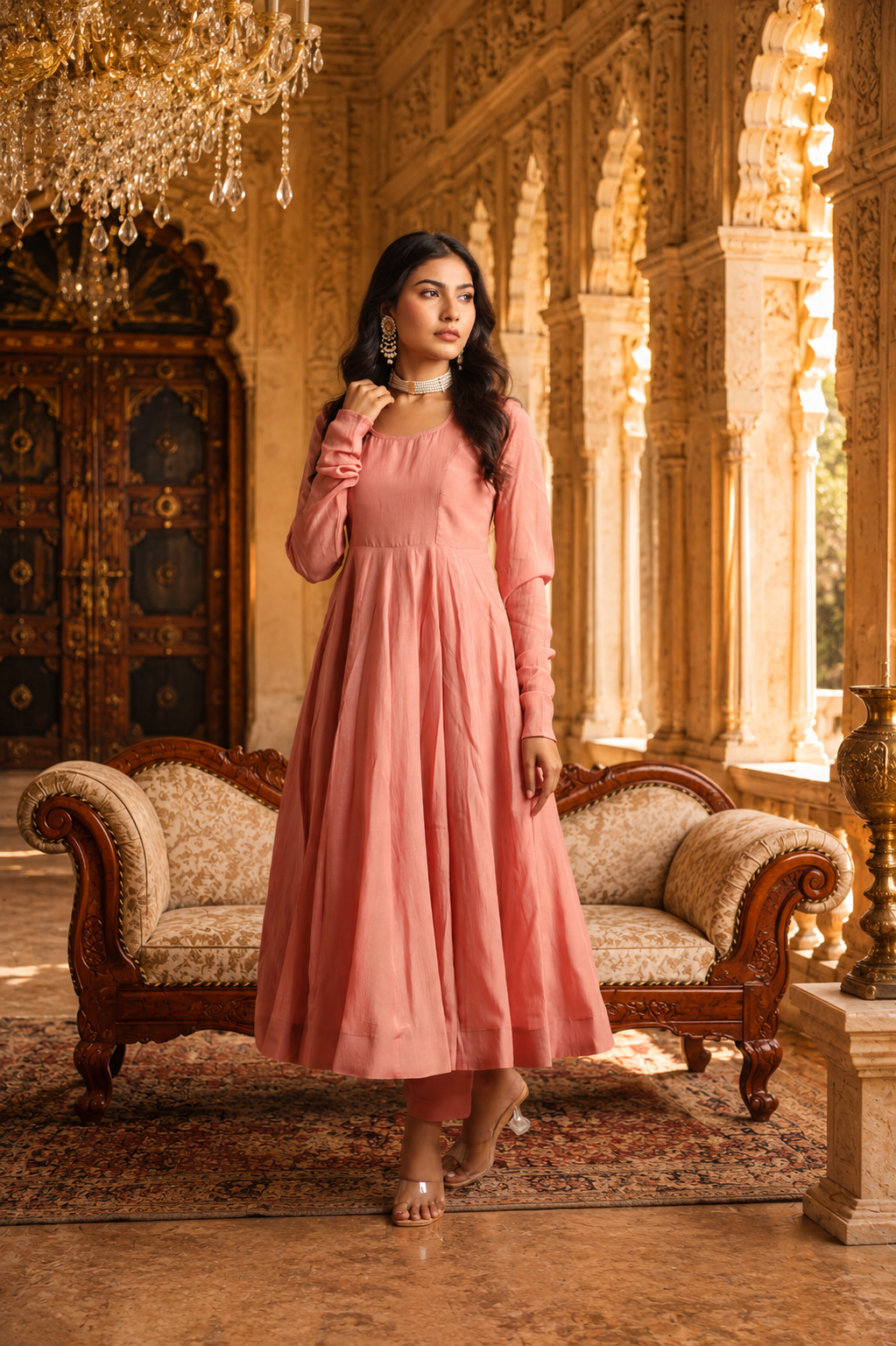
A full sleeve Anarkali suit is a traditional Indian outfit featuring a fitted bodice, flowing flared silhouette, and sleeves that extend to the wrists. It is a popular choice for weddings, festivals, family celebrations, and ethnic occasions because it offers both elegance and comfortable coverage. At Asrumo, our Long sleeve Anarkali sets are handcrafted in Jaipur using premium fabrics such as cotton mulmul, Chanderi, and organza, and are paired with beautifully embroidered dupattas for a complete festive look.
Why Choose a Full Sleeve Anarkali Suit?
A full sleeve Anarkali suit blends timeless style with everyday comfort. The fitted bodice flows into a graceful flared silhouette, while the long sleeves add structure and create a balanced look. Whether you're attending a wedding, festive celebration, family gathering, or traditional ceremony, it's an outfit that works across occasions.
The dupatta helps define the overall look:
- Zari-bordered dupattas add subtle shimmer for evening events.
- Taari-embroidered or hand-worked dupattas create a refined, elegant finish.
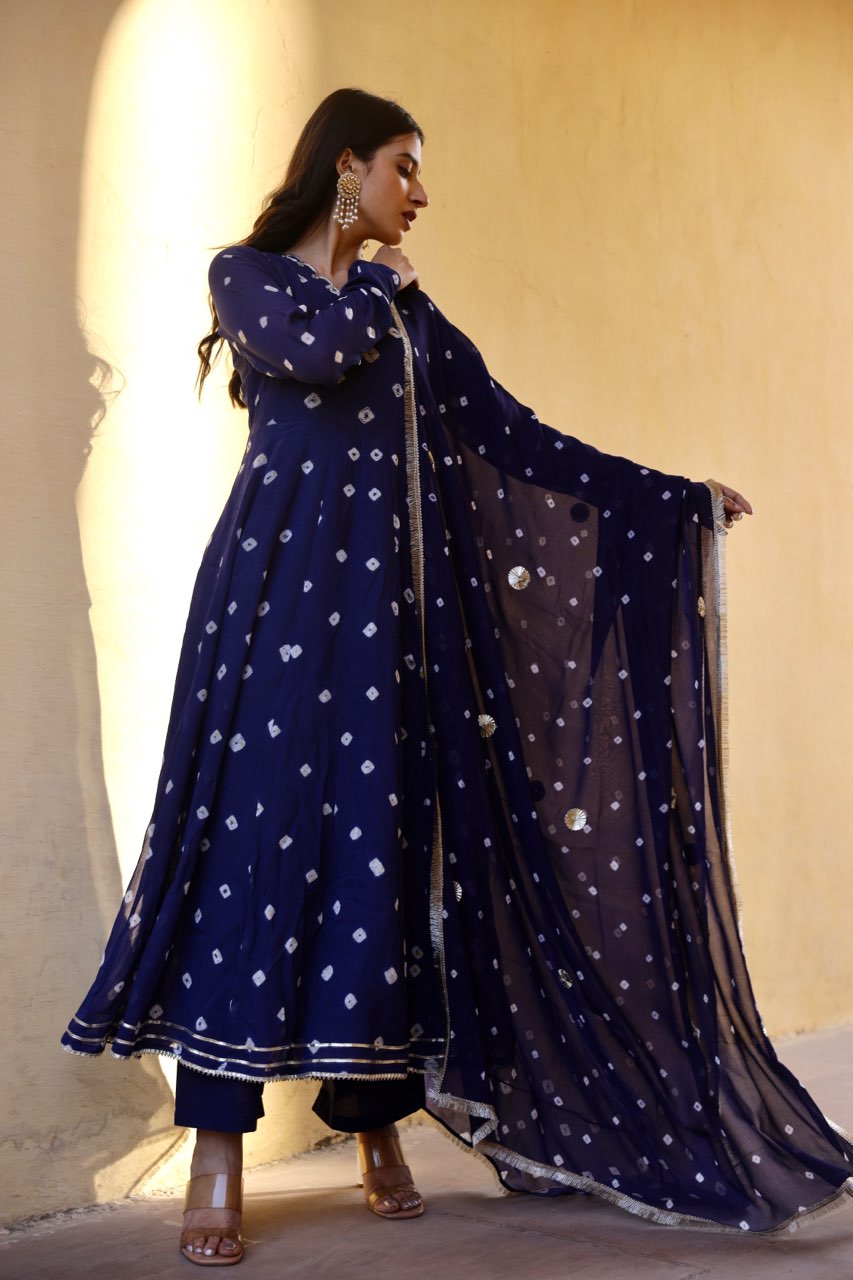
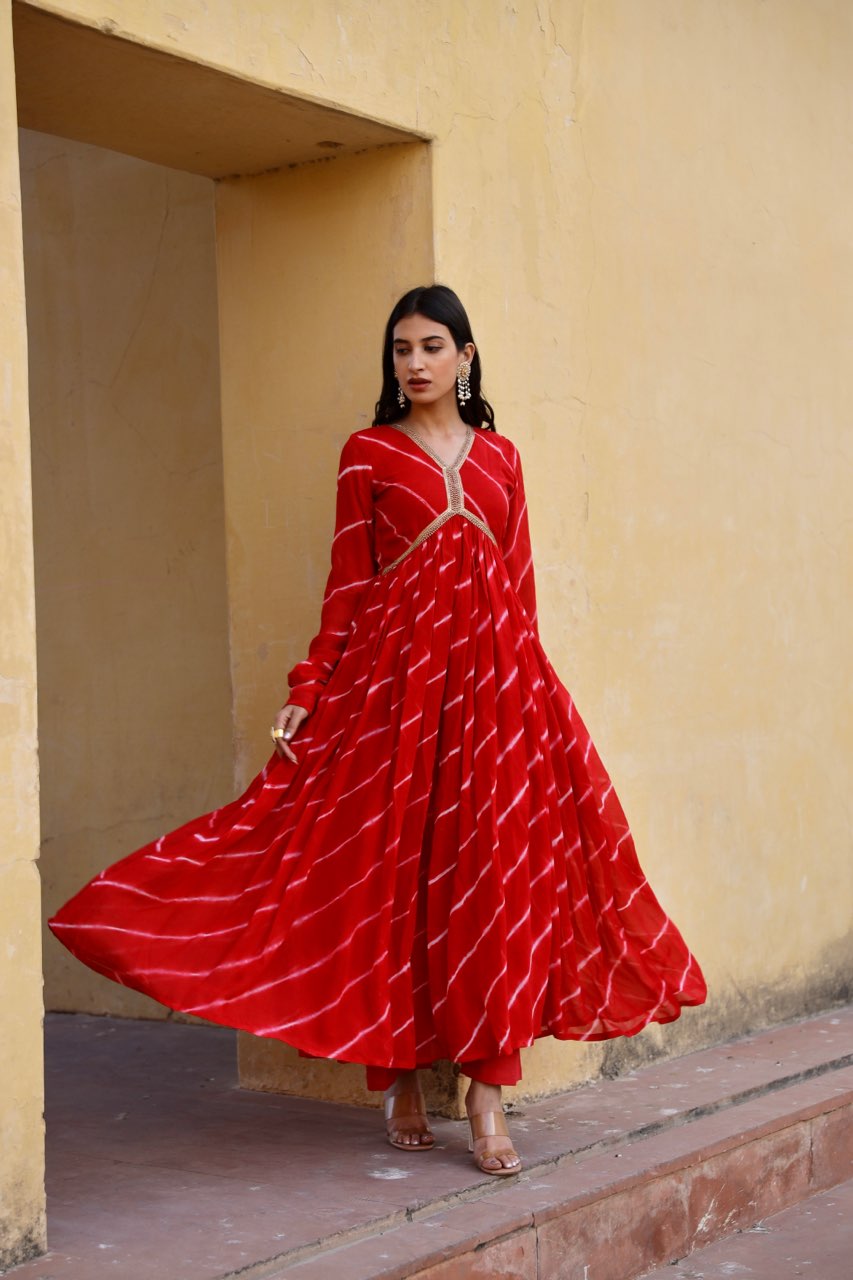
- Leheriya and Bandhani dupattas bring a fresh, festive feel that's ideal for daytime celebrations.
Choosing the right colour can also enhance the occasion:
- Maroon, bottle green, and midnight blue are perfect for weddings and evening receptions.
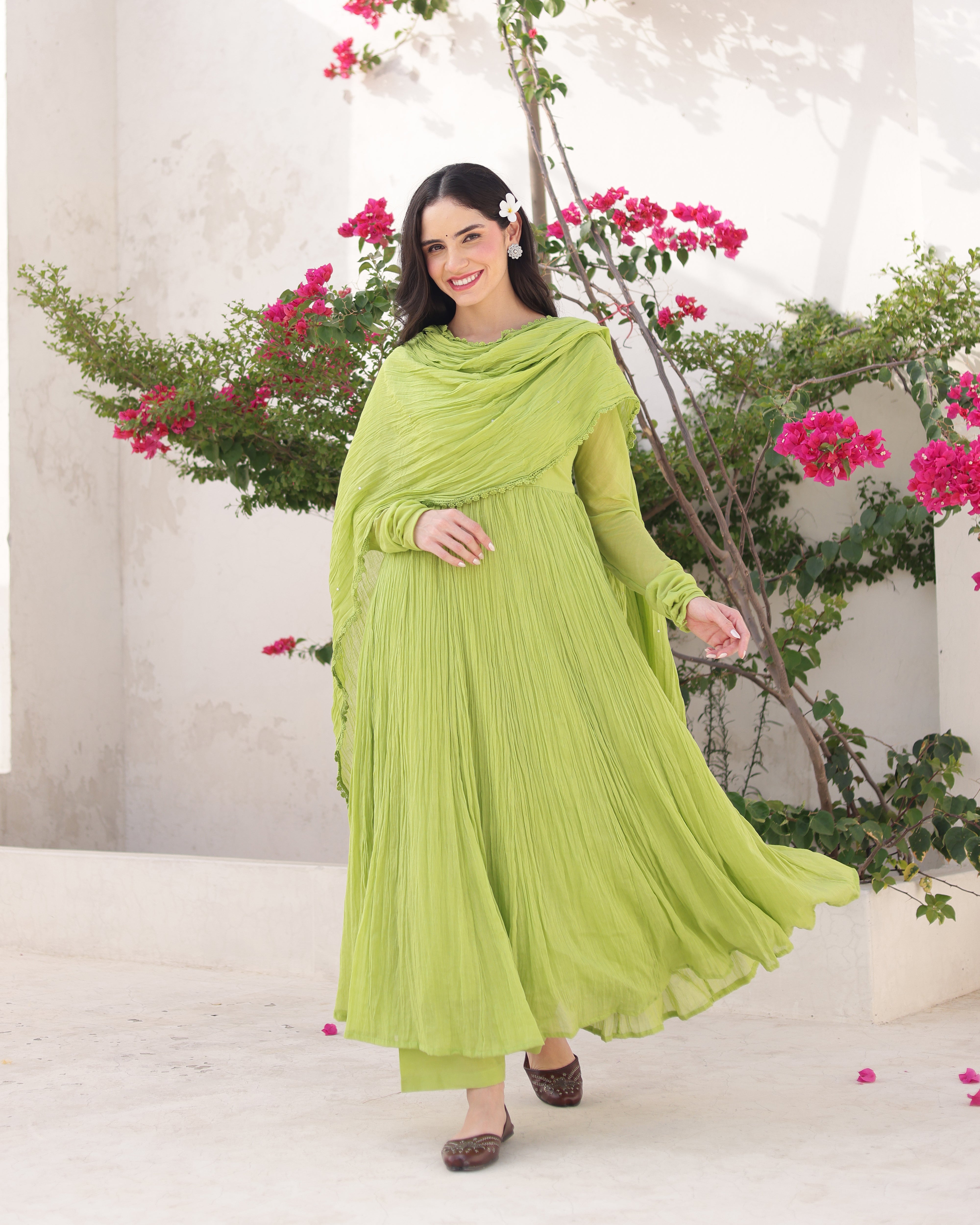
- Lighter Leheriya and Bandhani shades look vibrant and fresh during daytime festivities.
At Asrumo, every Long sleeve Anarkali suits is thoughtfully designed for comfort and functionality. Crafted from breathable fabrics like cotton mulmul, Chanderi, and organza, each set features functional side pockets, giving you a convenient place to carry small essentials without affecting the silhouette. From a temple visit and family lunch to an evening celebration, these Anarkali sets are made to keep you comfortable and stylish throughout the day.
Fabric Choices: Cotton Mulmul, Chanderi and Where Each One Fits
An Anarkali's character comes as much from its fabric as its cut.
Cotton mulmul anchors the collection's daytime pieces light, breathable and easy to move in. It suits family functions, warmer weather, and any setting where comfort matters as much as appearance. Its soft drape lets the tiered silhouette flare on its own, without needing structure underneath.
Chanderi takes things a step further with a subtle sheen that reads as more occasion-ready. Its tight weave holds embroidery and zari work cleanly, which explains why most of the Chanderi anarkali suits in this collection are meant for evenings — receptions, festive dinners, moments that call for a little more shimmer.
Layered into both fabrics are techniques with deep roots in Rajasthani craft:
- Lehariya – a wave-patterned dye technique, instantly recognisable
- Bandhej – the classic tie-dye dot pattern
- Tiered construction – building volume through the hem while keeping the waist clean
- Zari and Taari embroidery – placed with restraint, usually at the neckline, sleeves or dupatta rather than across the whole garment
Nothing here is embroidered for the sake of it. Each detail earns its place.
How to Choose Between Similar-Looking Anarkali Suits
- Start with the occasion. Weddings and receptions can carry richer embroidery and a fuller flare; family gatherings or day functions usually look better in something simpler, cotton mulmul or lehariya with lighter embellishment.
- Let fabric follow the setting. Cotton mulmul for daytime events or long functions; Chanderi or organza for evenings that call for a more polished finish.
- Match colour to the time of day. Deeper tones for evening occasions, brighter or pastel lehariya and bandhej patterns for daylight.
- Look at the dupatta before the suit. A heavily embroidered dupatta can anchor a simple suit for a wedding function; a plainer one lets fabric and colour do the work for a smaller gathering.
- Think about how the flare behaves over time. The degree of tiering affects how manageable it feels through a multi-hour ceremony, not just how it looks standing still.
What Sets an Asrumo Anarkali Apart
Asrumo designs out of Jaipur, and the techniques used across this collection, zari work, Taari embroidery, lehariya, bandhej, come from that city's textile background rather than being layered on as decoration. The intent isn't to copy traditional silhouettes exactly, but to keep the flare, embroidery and dupatta styling grounded in that craft while fitting the cut to how women actually want to wear occasion pieces now: comfortable enough for a long function, structured enough to still hold up by evening.
Embroidery sits at necklines, sleeves and dupatta borders so it complements the cut rather than competing with it. The tiered construction is built to hold its shape through a full day of festivities, and cotton mulmul in particular keeps full-sleeve styles wearable across longer ceremonies where breathability counts for more than shine.
FAQ’s About Full Sleeves Anarkali Suits
Q.1 Which full sleeve Anarkali suit is best for a wedding?
A. For weddings, choose a full sleeve Anarkali suit with zari work, detailed embroidery, or an embellished dupatta. Chanderi and organza styles with a fuller flare are especially suitable for wedding celebrations and receptions.
Q2. How do I style a full sleeve Anarkali suit with a dupatta?
A. Pair it with traditional jewellery, comfortable footwear, and a matching clutch. You can drape the dupatta over one shoulder or across both shoulders, depending on the occasion.
Q3. Are Asrumo Anarkali suits available in plus sizes?
Selected designs go up to 4XL. Availability varies by style, so check the size chart on the product page before choosing.
Q4. Do Asrumo full sleeve Anarkali suits have pockets?
A. Yes. Every Asrumo full sleeve Anarkali suit includes functional side pockets, making it easy to carry essentials like your phone, keys, or lipstick while maintaining a clean silhouette.

